Captain Cody LaFrance
Born and raised in Campbell River. Licensed skipper, lifelong fisherman, and the reason this operation exists. Cody built Wheelin N Reeling Adventures from scratch after watching his friend — a wheelchair user — get turned away from charter after charter.
"I saw my buddy couldn't find a single fishing charter that could take his wheelchair. Not one that was actually built for it. So I built one."
That's the whole story. No corporate mission statement, no boardroom strategy. Just a guy who thought his friend should be able to go fishing.
Captain's Certifications
- Transport Canada Small Vessel Operator Proficiency (SVOP)
- Marine Emergency Duties (MED A3)
- Marine First Aid
- Restricted Operator Certificate — Maritime (ROC-M) for VHF Radio
- SCI & Disability Awareness Training
The Crew
Every crew member is trained specifically for accessible charters. This isn't a regular fishing boat where someone "helps out" with your wheelchair. Our crew knows what they're doing.
Crew Training Includes
- Wheelchair tie-down system operation and safety checks
- Transfer assistance (chair to chair, chair to seat)
- Autonomic dysreflexia recognition and response
- Emergency evacuation procedures for wheelchair passengers
- Adaptive fishing equipment setup and assistance
- Marine First Aid certification
The Vessel
Vessel Specifications
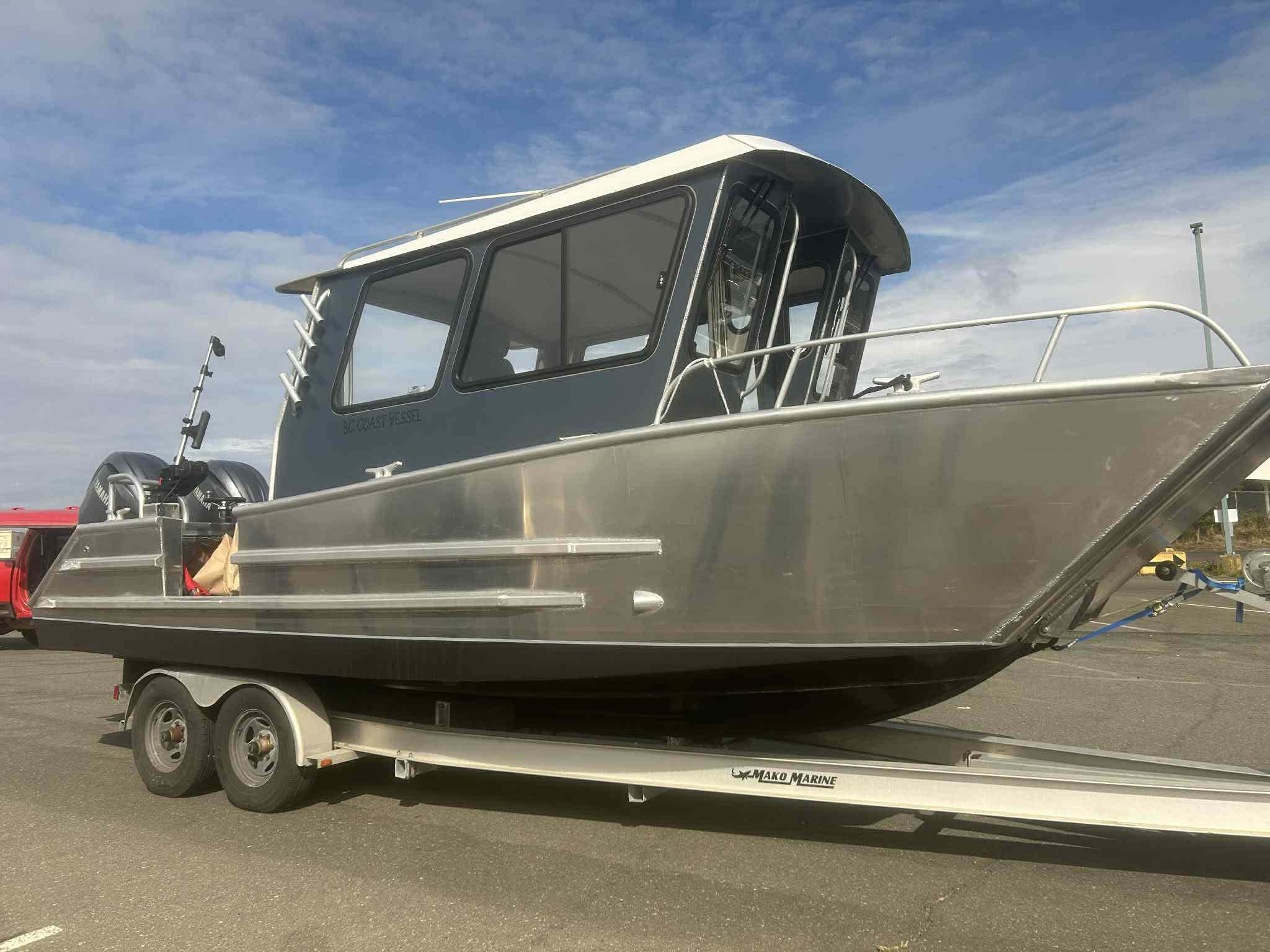
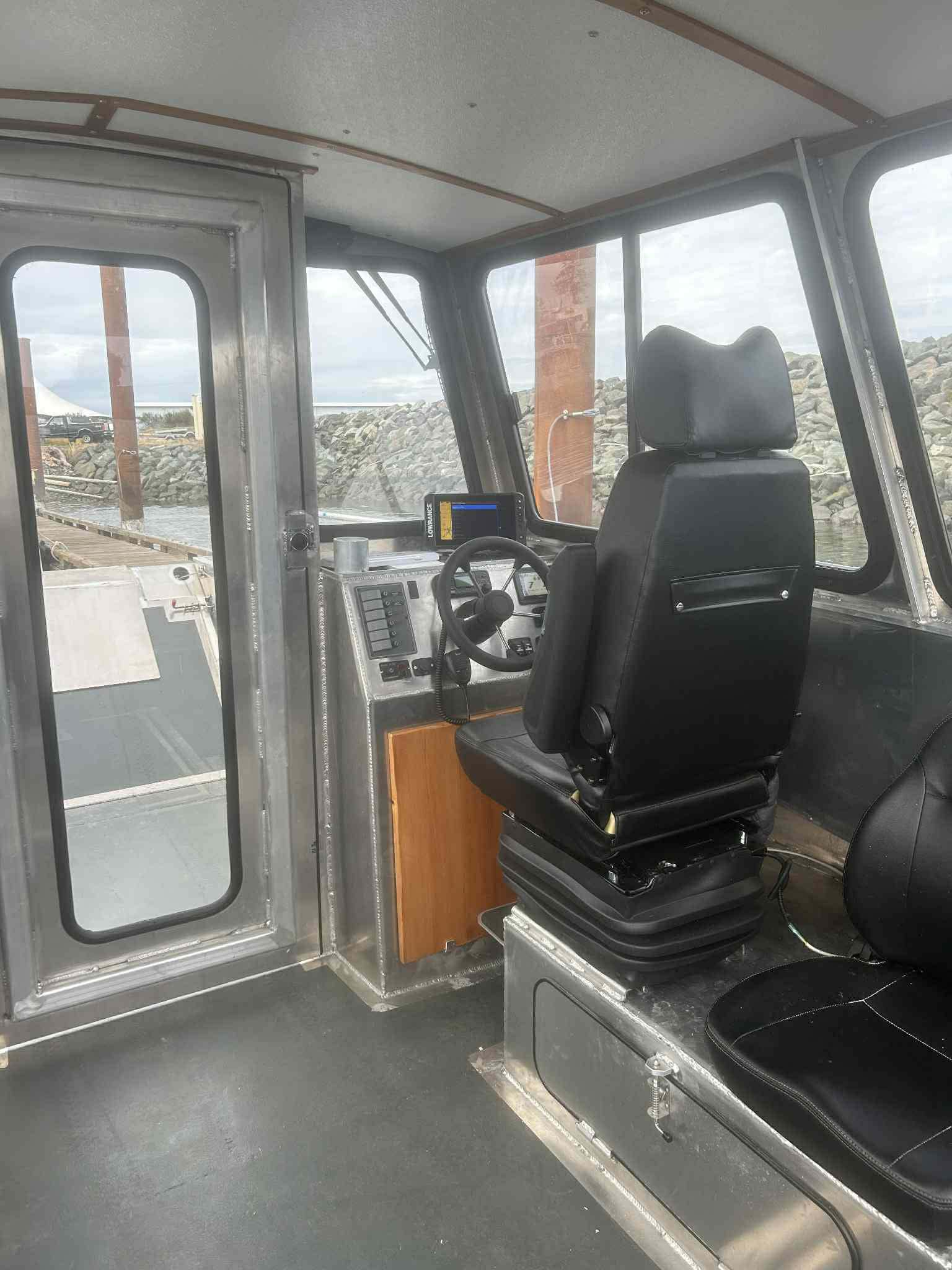
Purpose-built, not retrofitted. This vessel was designed from the keel up for wheelchair users. The deck layout, ramp angles, tie-down positions, and fishing stations were all planned around wheelchair access before the first weld was struck. That's a fundamental difference from bolting a ramp onto an existing boat.
Safety Standards
Transport Canada Compliance
Our vessel meets all Transport Canada Small Vessel Regulations. Annual inspections, required safety equipment, and crew certifications are all current and documented.
Commercial Insurance
Fully insured for commercial charter operations including passenger liability. Our insurance covers all guests including wheelchair users with specific accessibility provisions.
Daily Safety Protocol
Every morning before guests arrive: vessel inspection, engine check, safety equipment audit, weather assessment, tie-down system inspection. If conditions aren't safe, we reschedule at no charge.
Emergency Procedures
Written emergency action plans for all scenarios including wheelchair-specific evacuation procedures. VHF radio contact with Coast Guard at all times. Marine first aid kit and emergency signaling equipment on board.
Meet the Crew on the Water
The best way to see our setup is to come aboard. But if you have questions first, we're happy to talk through every detail of the vessel, safety, and accessibility.