Canada is one of the best places on Earth for wildlife. The challenge for wheelchair users has always been access — getting to remote viewing spots, boarding tour boats, navigating backcountry trails. But accessible options are growing. This guide covers the best wheelchair-friendly wildlife experiences across the country.
Marine Wildlife — British Columbia
Campbell River & Discovery Passage
Our home waters are a wildlife corridor. On any given tour, you might see:
Orca (Killer Whales)
June - October
Humpback Whales
May - November
Bald Eagles
Year-round
Harbour Seals
Year-round
Sea Lions
September - May
Pacific White-Sided Dolphins
Summer
Black Bears (shoreline)
Spring - Fall
Dungeness Crab
Year-round (season permitting)
Great Bear Rainforest
Home to the rare Spirit Bear (Kermode bear) and grizzlies feeding on salmon runs. Boat-based tours from Klemtu and Bella Coola offer the best wildlife access. Accessibility varies — contact operators directly about vessel layout and boarding. Remote lodge stays may have limited accessibility.
Grizzly Bear Viewing — Knight Inlet & Bute Inlet
Grizzlies fishing for salmon in river estuaries, viewed from boats and floating platforms. Some operators run larger vessels with main-deck access. The viewing platforms at river mouths are typically floating wooden structures — accessibility varies. September is peak season.
Prairie & Arctic Wildlife
Polar Bears — Churchill, Manitoba
The Polar Bear Capital of the World. Every October-November, polar bears gather on the shores of Hudson Bay waiting for the ice to form. Purpose-built tundra vehicles take visitors out to see bears up close.
Accessibility: Some tundra vehicle operators offer wheelchair accessible vehicles with ramp boarding and tie-down points. These must be booked well in advance. Summer beluga watching (July-August) may also have accessible boat options. Churchill is remote — fly in from Winnipeg.
Elk Island National Park — Alberta
Bison, elk, moose, and over 250 bird species. Located 35 minutes east of Edmonton. The park has paved roads for drive-through wildlife viewing and several accessible boardwalk trails. Bison herds are routinely visible from the road — no hiking required.
Grasslands National Park — Saskatchewan
Wild bison, pronghorn antelope, burrowing owls, and prairie rattlesnakes. The Ecotour Scenic Drive is accessible by vehicle. Dark sky preserve — incredible stargazing from your vehicle or an accessible campsite.
Ontario Wildlife
Algonquin Provincial Park
Moose, black bears, wolves (heard on howl nights), loons, and beaver. Highway 60 corridor has accessible lookouts and the Visitor Centre is fully accessible with wildlife exhibits. The Spruce Bog Boardwalk is partially accessible. Drive the highway at dawn and dusk for moose sightings.
Point Pelee National Park
Canada's southernmost point. One of the top birdwatching spots in North America during spring and fall migration. The marsh boardwalk is wheelchair accessible. The park shuttle to the tip is accessible. Over 390 bird species recorded.
1000 Islands Boat Cruises
Bald eagles, great blue herons, osprey, and turtles along the St. Lawrence. Several cruise operators in Gananoque and Brockville run accessible vessels. The cruises are calm-water (river), making them comfortable for wheelchair users.
Atlantic Canada Wildlife
Puffins — Newfoundland & Labrador
Elliston is the Puffin Capital of the world — puffins nest on cliffs visible from a paved viewing area right beside the parking lot. No hiking required. Cape St. Mary's has a partially accessible path to a gannet colony viewpoint. Witless Bay has boat tours to puffin islands — check vessel accessibility.
Moose — Gros Morne National Park
Newfoundland has one of the highest moose densities in North America. Gros Morne's roads are excellent for moose spotting at dawn and dusk. The Discovery Centre is accessible. Western Brook Pond boat tour has a shuttle and partially accessible boarding.
Seabirds — Bay of Fundy
Home to the world's highest tides and rich marine life. The Fundy Trail Parkway has accessible lookout platforms. Whale watching tours from St. Andrews may have accessible vessel options. The Hopewell Rocks has an accessible upper viewing area.
Tips for Accessible Wildlife Viewing
Vehicle-based viewing is often the most accessible option — many animals are visible from roads
National parks are generally more accessible than provincial parks, with better facilities and trails
Boat-based wildlife tours give you access to marine animals without needing to hike
Dawn and dusk are peak wildlife times — plan your energy and positioning accordingly
A good pair of binoculars eliminates the need to get close. Invest in quality optics.
Phone ahead to every operator and ask specific accessibility questions — don't assume
Dress for the weather and then add another layer. Cold affects wheelchair users more because of limited movement
Bring a camera with zoom — wildlife moments happen fast and you'll want to capture them
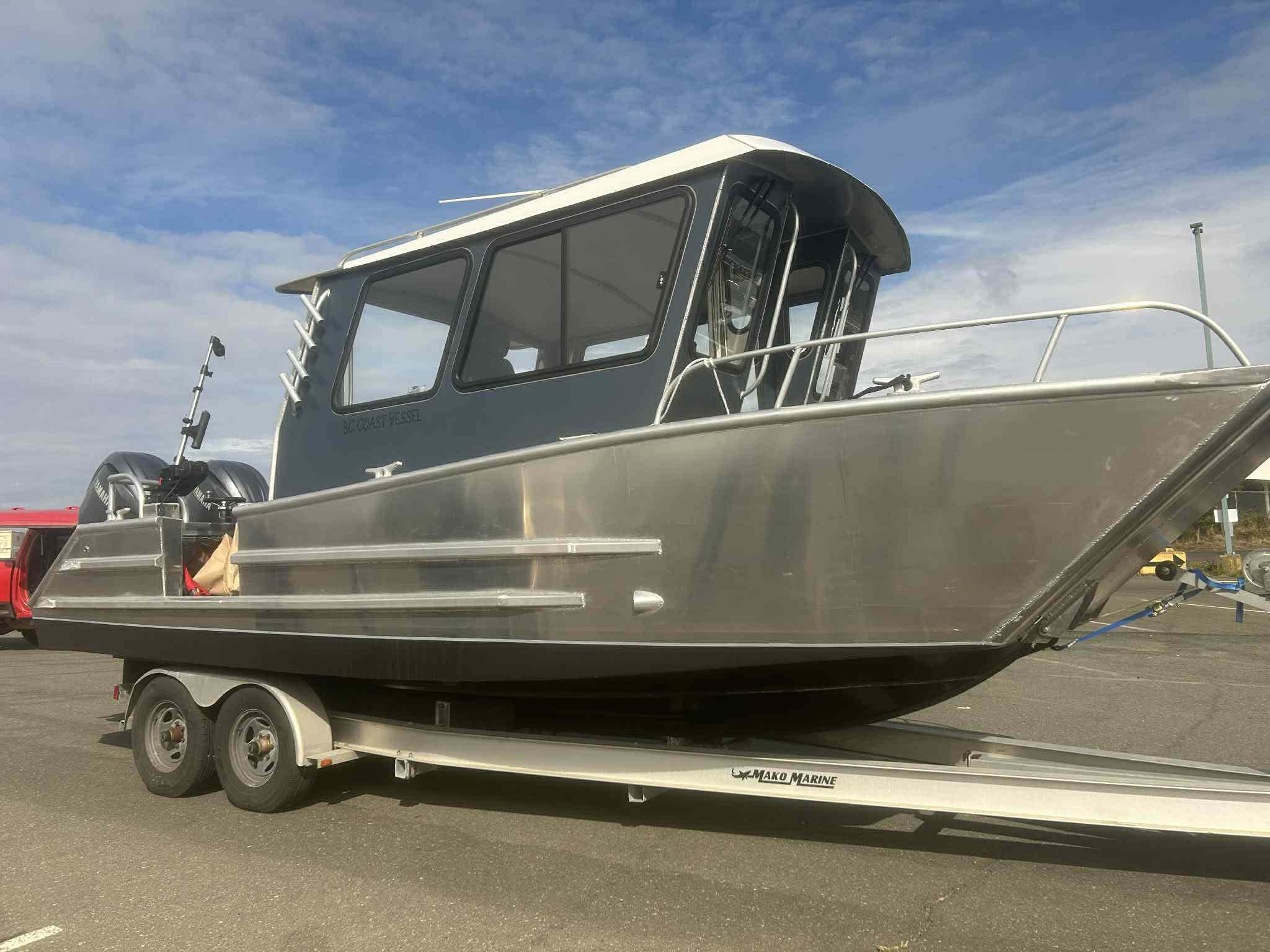
Experience Wildlife from Our Accessible Vessel
Eagles, seals, orcas, humpbacks, and black bears — all from the deck of a purpose-built wheelchair accessible charter in Campbell River, BC.